

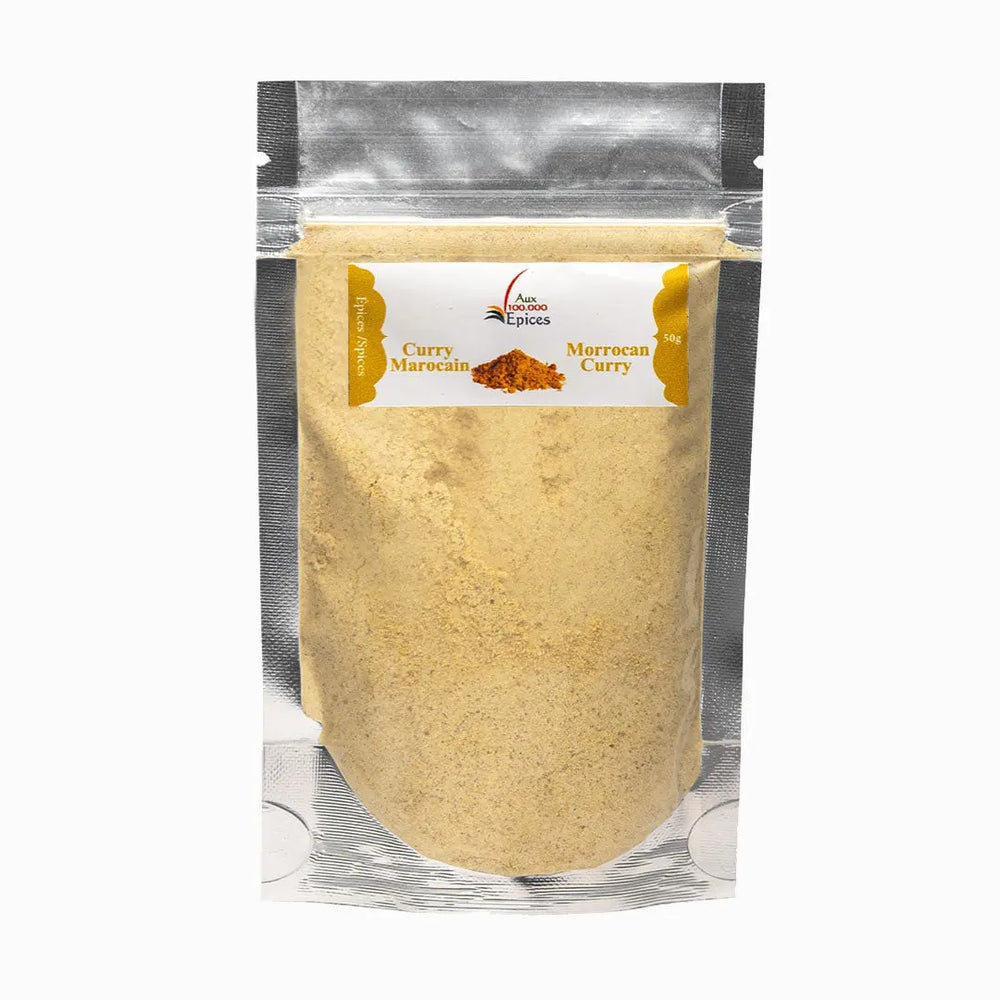
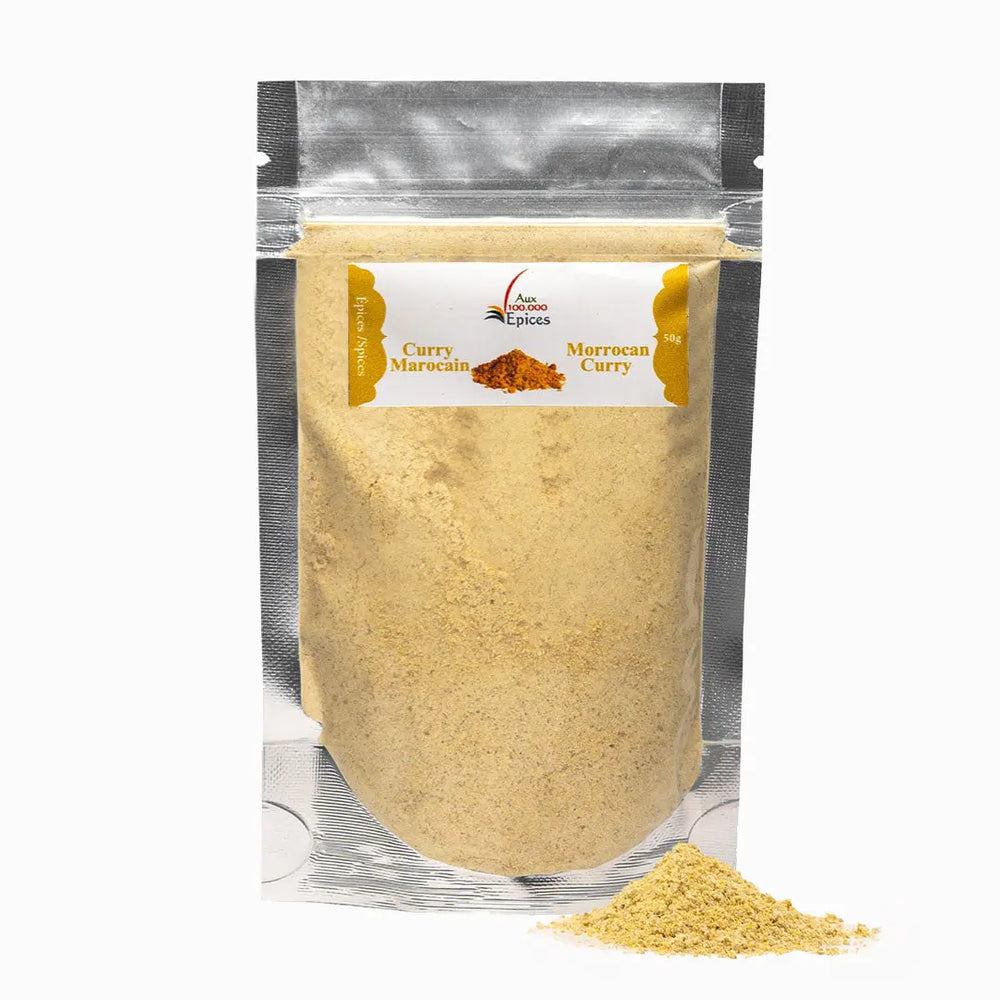
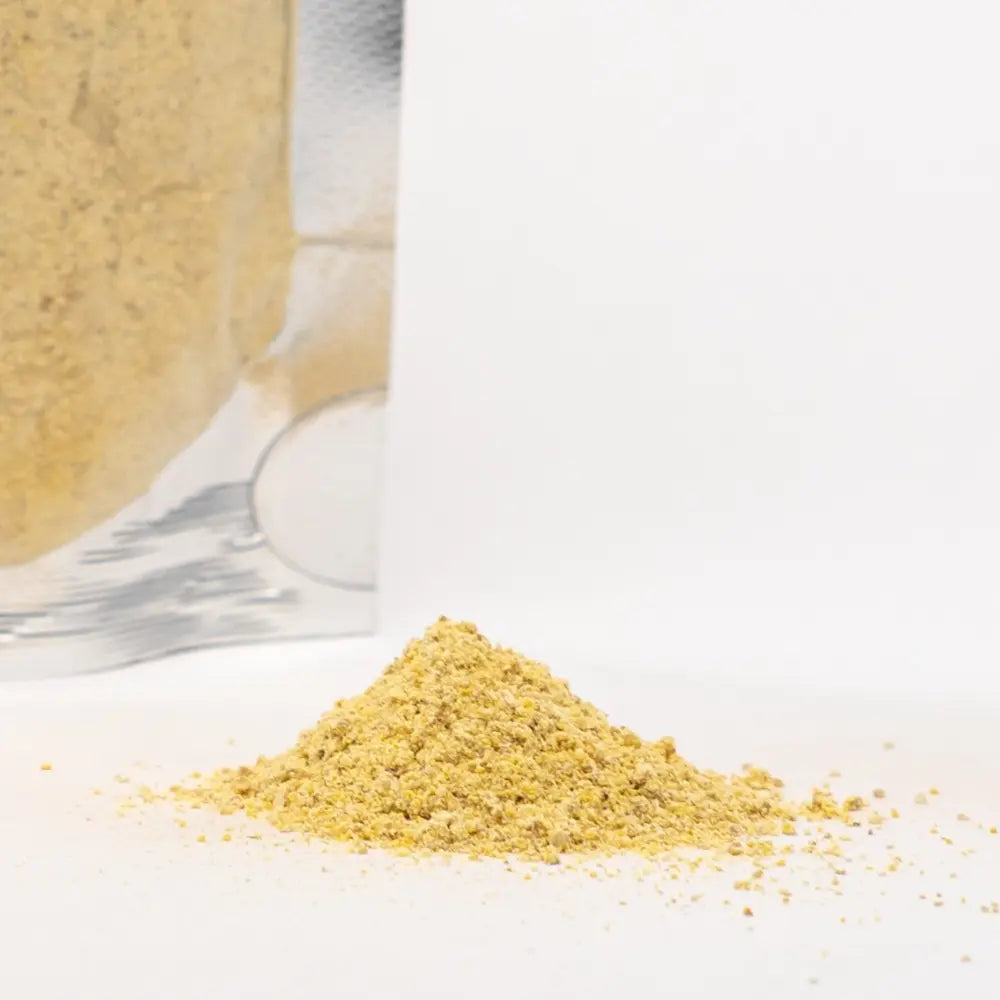
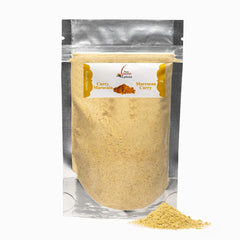
Moroccan Curry Powder — Authentic Blend, 50g
Moroccan Curry Powder: Different from What You KnowIf you are thinking of Indian curry, set that aside...
Subtotal:
$6.60
Moroccan Curry Powder: Different from What You Know
If you are thinking of Indian curry, set that aside for a moment.
Moroccan curry powder is a different spice blend: earthier, warmer, less sharp. Where Indian curry builds heat and brightness around turmeric and chilli, the Moroccan version is slower and more aromatic, built on a base of cumin, coriander, and ginger with a depth that comes from slow cooking rather than immediate punch.
Morocco sits at the crossroads of Africa, the Arab world, and the Spice Route. Its curry tradition absorbed influences from each direction and arrived at something distinct: less fiery, more herbaceous, designed for long-cooked tagines and stews where the spice has time to bloom and mellow into the sauce.
At 100.000 Epices, our curry powder is blended by hand in our Marrakech shop using the same proportions we have used since 1992. It is a working spice, the kind that Moroccan home cooks and professional cooks in medina restaurants actually use.
What Is in Moroccan Curry Powder?
Our blend is built on:
- Cumin: The backbone of Moroccan cooking. Earthy, warm, essential.
- Coriander: Bright and slightly citrusy, it lifts the blend.
- Turmeric: Gives colour and a gentle bitterness.
- Ginger: Warmth without heat.
- Cinnamon: The distinctly Moroccan touch. A small amount adds depth that most other curry powders do not include.
- Black pepper: Gentle heat that builds slowly.
- Paprika: Warmth and colour without excessive sharpness.
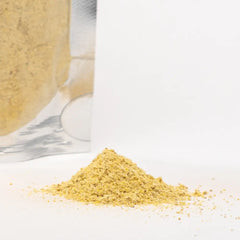
The result is a blend that smells deeply aromatic, tastes complex, and colours everything it touches a rich, warm gold.
Moroccan Curry vs. Indian Curry: The Key Differences
| Moroccan Curry | Indian Curry | |
|---|---|---|
| Heat level | Mild to medium | Mild to very hot |
| Dominant notes | Cumin, cinnamon, earthy warmth | Turmeric, chilli, sharp heat |
| Best used in | Tagines, couscous, slow stews | Curries, rice dishes, dal |
| Cinnamon | Present, a key note | Rare in most blends |
The key distinction is cinnamon and the absence of sharp chilli heat. Moroccan curry is built for slow cooking and layered flavour, making it approachable for people who find Indian curry too intense.
How to Use Moroccan Curry Powder
In a Tagine
This is the natural home of Moroccan curry powder. Add 1 to 2 teaspoons per 4 servings when browning your meat or vegetables. Let the spice toast briefly in the oil before adding liquids. The slow cooking of the tagine draws out the full complexity of the blend. Best with lamb and prune tagine, chicken with preserved lemon, or vegetable tagine with chickpeas.
With Couscous
Stir 1 teaspoon into the cooking water for couscous, or add to the vegetable broth poured over the grain. It adds warmth and colour to an otherwise plain base.
For Grilled Meats
Combine 2 teaspoons of curry powder with olive oil, garlic, and salt to make a quick marinade. Coat chicken thighs, lamb chops, or fish and leave for 30 minutes before grilling.
Roasted Vegetables
Toss root vegetables such as carrots, sweet potato, or parsnip in olive oil and curry powder before roasting. The blend caramelises beautifully at high oven temperatures.
Soups and Lentils
Moroccan lentil soup and tomato-based soups are natural vehicles for this blend. Add 1 teaspoon per litre during the early cooking stage.
Quick Recipe: Moroccan Spiced Chicken
Season chicken thighs with 1 tablespoon Moroccan curry powder, salt, and olive oil. Brown in a pan, add 1 can of chickpeas, 1 can of diced tomatoes, and 100ml water. Cover and simmer 25 minutes. Serve with couscous or crusty bread. Serves 4.
Frequently Asked Questions
Is Moroccan curry powder the same as ras el hanout?
No. Ras el hanout is Morocco's most complex spice blend, containing up to 30 different spices. Curry powder is simpler and more direct, designed specifically to flavour slow-cooked dishes. They serve different purposes in Moroccan cooking.
Is this curry powder spicy?
It has a mild warmth from black pepper and ginger but is not hot in the way chilli-forward curry powders are. It is suitable for people who find Indian curry too spicy.
Can I use it to replace Indian curry powder in recipes?
Yes, with the understanding that the flavour will be different: earthier, warmer, with a cinnamon note. If a recipe calls for bold heat, add a pinch of cayenne alongside the Moroccan curry.
How much should I use per person?
For a 4-person dish, start with 1 to 2 teaspoons and adjust to taste. The blend has good depth and a little goes further than you might expect.
How should I store it?
Store in an airtight container away from direct sunlight and heat. Ground spice blends retain peak flavour for 12 to 18 months.


Related Products
Recently Viewed Products
- Choosing a selection results in a full page refresh.